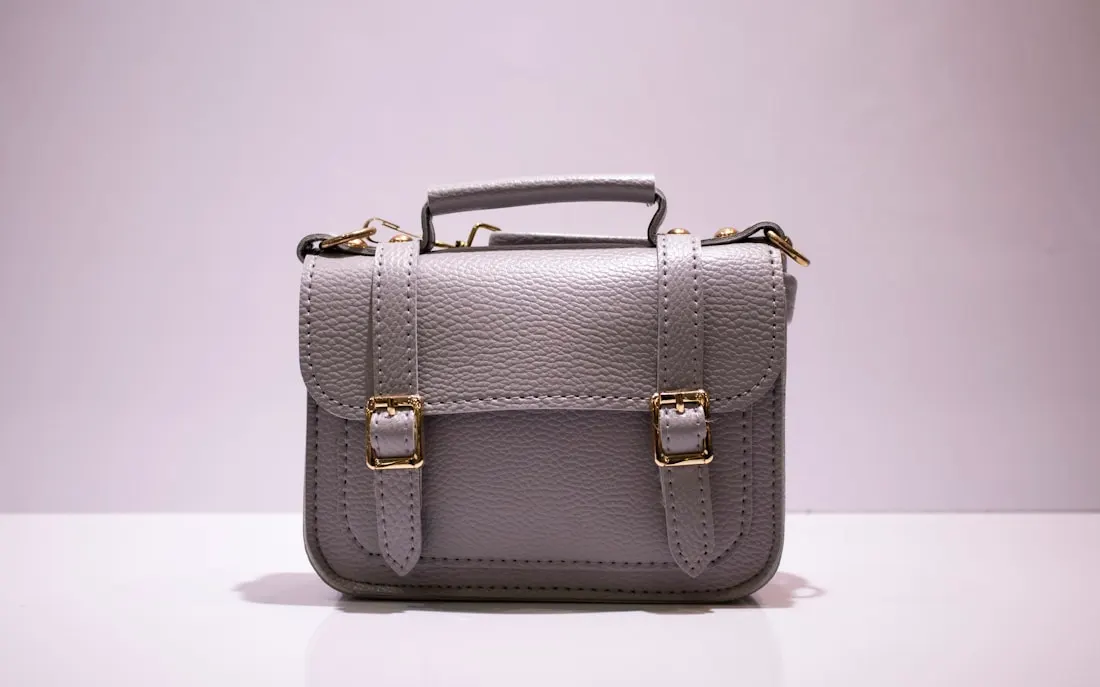
Most counterfeit losses are channel mistakes, not detection failures. The buyer chose a seller no checklist could rescue. Authorized channels convert the authenticity question into a returns question, which is a much better question to have. Where you deliberately leave authorized channels for price, as in resale and marketplace deals, the listing and arrival checks above are the toll. And the price comp is the strongest single signal, because counterfeiters compete on exactly one feature.
What this site's links will and will not do
Product links here are Amazon affiliate links (when configured) and follow the funnel we teach: brand-run or clearly authorized listings, never the cheapest third-party listing of a luxury SKU. If a category cannot be linked inside those rules, we describe what to look for and let you search — a smaller commission beats teaching a checklist and then routing readers around it.
Authenticity questions
How do I avoid fakes buying luxury online?
Channel first, listing second, item third. On channel: brand sites, department stores, and brand-run storefronts (including Amazon Luxury Stores shops) carry authorized inventory. Third-party marketplace listings and social-media sellers are where risk concentrates. On listing: check seller identity, "sold by/shipped from," and stock photos versus real ones. Watch for prices far under the market comp, because a four-figure bag at a three-figure price is an answer, not an opportunity. On item: check serials, date codes, materials, and packaging against known references on arrival, inside the return window.
Does Amazon guarantee authenticity on luxury items?
Amazon's policies prohibit counterfeits platform-wide, and its Luxury Stores storefront hosts brand-managed shops. But on the general marketplace, protection practically depends on the specific seller. It also depends on Amazon's returns and A-to-z guarantee mechanics. Our practical rule: treat "sold by" as the actual store you are buying from and judge it as such. This site's affiliate links follow the same rule — we link the channel we would use, not the cheapest listing.
Are authentication services worth it?
For resale purchases above a few hundred dollars, usually: third-party authenticators charge modest fees against four-figure downside. Sophisticated fakes have also outrun eyeball confidence in several categories. For authorized-channel purchases, no; provenance is the point of paying channel price. The rational split: pay for the channel or pay for the authentication, and never pay for neither.